Note-Taking for People With a Bad Memory
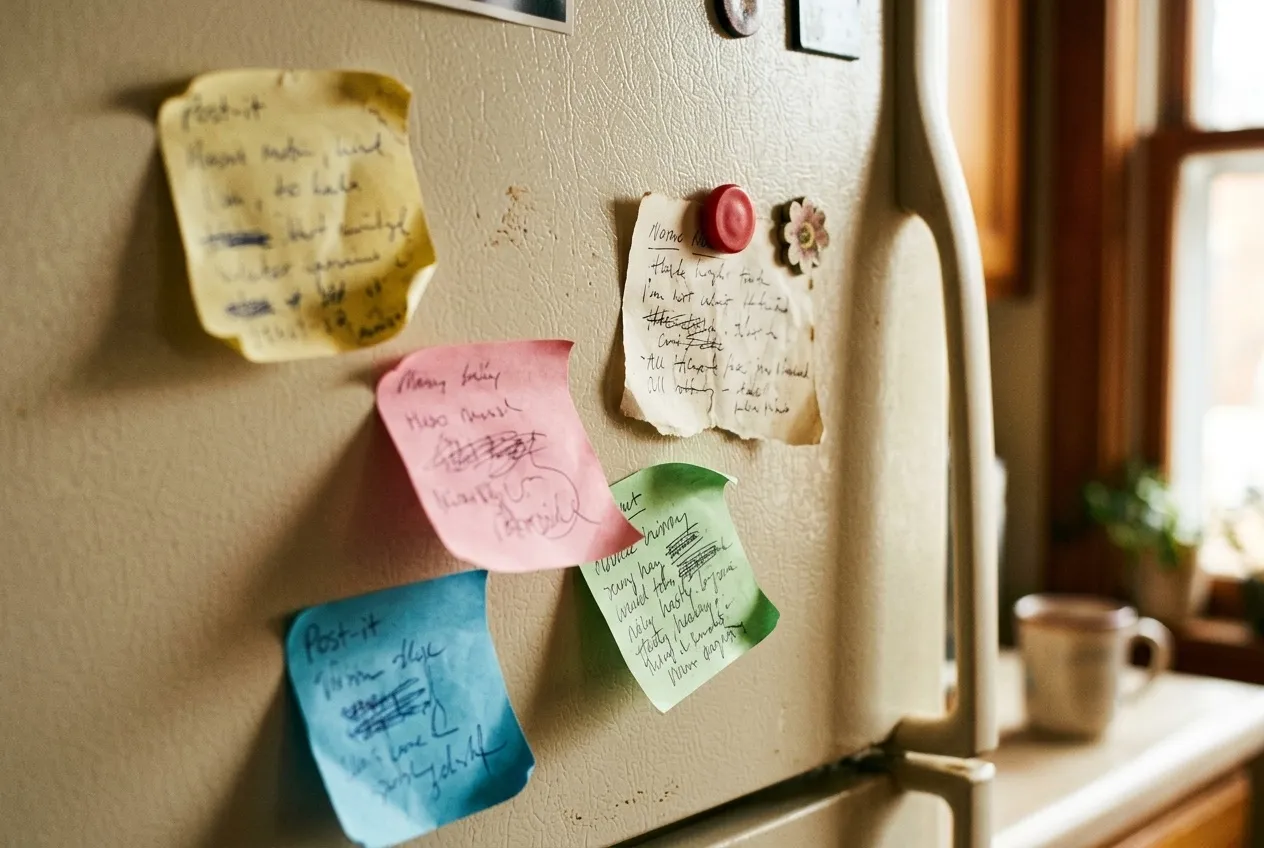
If your memory is bad, the fix is not memory training — it’s a note system designed around the assumption that you will forget. Write everything down, trust nothing to recall, and make sure the way back to a note doesn’t depend on remembering anything about it.
That last clause is the part most systems get wrong, and it’s where this post earns its keep.
Bad memory is a storage problem, not a character flaw
People with unreliable memories tend to carry low-grade guilt about it, as if forgetting the neighbor’s name or the car’s last service were a moral failing. It isn’t. Human memory is just bad hardware for facts: it stores meanings and feelings well, and details — numbers, dates, names, where you put things — terribly.
The workaround is the same one civilization has always used: external storage. Writing exists because nobody’s memory was good enough. You’re not compensating for a defect; you’re using the technology as designed.
The external-memory mindset
The shift that matters is from trying to remember to trusting the system completely. Half-measures fail here. If some things go in notes and some stay “in your head,” every recall becomes a two-step search — did I write this down? — and the doubt quietly kills the habit.
So the rule is absolute on purpose: anything future-you might need, write it down, every time, including the things you’re sure you’ll remember. Especially those. Being sure is how the important ones get lost.
Capture rules that survive forgetting you took the note
Here’s the test your system has to pass: it must work even when you’ve forgotten the note exists. That sounds extreme; it’s actually the common case. Three rules follow from it:
- One place for everything. If notes can live in four apps, finding one requires remembering which app — a memory task. One inbox, no exceptions.
- Write for a stranger. “Talk to him about the thing” is useless in three weeks. Names, dates, specifics: “Plumber Veli quoted 9.000 TL for the bathroom, valid until end of June.” Future-you is a stranger with your handwriting.
- Capture at the moment, not at the end of the day. An evening “let me write down today” session depends on — you see the problem.
Why folders fail forgetful people
Folder systems are built on a hidden assumption: that you’ll remember your own filing logic. You won’t. The note is in “Home” or was it “Projects,” tagged or maybe not, and now you’re browsing — which is just memory-searching with extra steps.
This is why forgetful people often conclude that note-taking “doesn’t work for them.” It’s not the notes; it’s that folders moved the memory burden instead of removing it. The structure that works under forgetting is no structure: a single stream plus search that doesn’t need your memory to function.
Search you can trust — asking instead of remembering
Ordinary keyword search still demands one act of memory: the words you used. Wrote “car service,” searching “oil change”? No result, and the system just failed exactly the person it was supposed to protect.
What changes the game for bad memories specifically is search by meaning — and its natural endpoint, asking your notes questions the way you’d ask a person: “when does the parking permit expire?” “what’s the wifi password at the summer house?” “which medication did the vet say for fleas?” No folder, no keyword, no memory of having written anything. Just the question you actually have. (My own app, Second Brain, is built around this — a memory you text things to and question later — which is to say I built the tool I needed.)
Notes vs. reminders: which saves you when
One distinction does a lot of work for forgetful people:
- A note is for when you ask — facts that wait quietly until needed. The paint color. The quote. What was decided.
- A reminder is for when you’d never ask — things that must interrupt you, because no version of you will think to look. The permit deadline. The library book.
Misfiling between these two is its own failure mode: a deadline stored as a note is a missed deadline. The pleasant version is when your notes app sorts this out for you — “renew the permit by July 3” becomes a reminder because of what it says, not because you filed it as one.
What actually changes
The honest payoff of running your life this way isn’t a better memory — it’s the end of the low-grade dread. The “I’m forgetting something” hum quiets down, because the answer is always the same: if it mattered, it’s in there, and you can ask.
People around you will start to think your memory is excellent. It isn’t. It’s outsourced — and that’s better, because the system’s memory doesn’t have bad days. If yours currently does, start with the absolute rule today: everything goes in, one place, written for a stranger. The trust comes in about two weeks, the first time the system catches something you’d already forgotten — and from then on, you’ll never look at notes the old way again.